A monk ought not to inquire how this one acts or how that one lives.
Questions like this take us away from prayer and draw us on to backbiting and chatter.
There is nothing better than to keep silent.
Thomas Merton, Wisdom of the Desert

Salty like hot dogs (and tears). Sweet like marmalade (and life).

A monk ought not to inquire how this one acts or how that one lives.
Questions like this take us away from prayer and draw us on to backbiting and chatter.
There is nothing better than to keep silent.
Thomas Merton, Wisdom of the Desert
You do not need to know precisely what is happening
or exactly where it is all going.
What you need is
to recognize the possibilities and challenges
offered by the present moment and
to embrace them with courage, faith, and hope.
Thomas Merton, Conjectures of a Guilty Bystander

The monk does not exist for the sake of obligation; the obligation exists for the sake of the monk.
Duties and obligations are merely the signposts which point out the road to some ultimate end in which our whole nature and its capacities are fulfilled.
Thomas Merton, Bread in the Wilderness
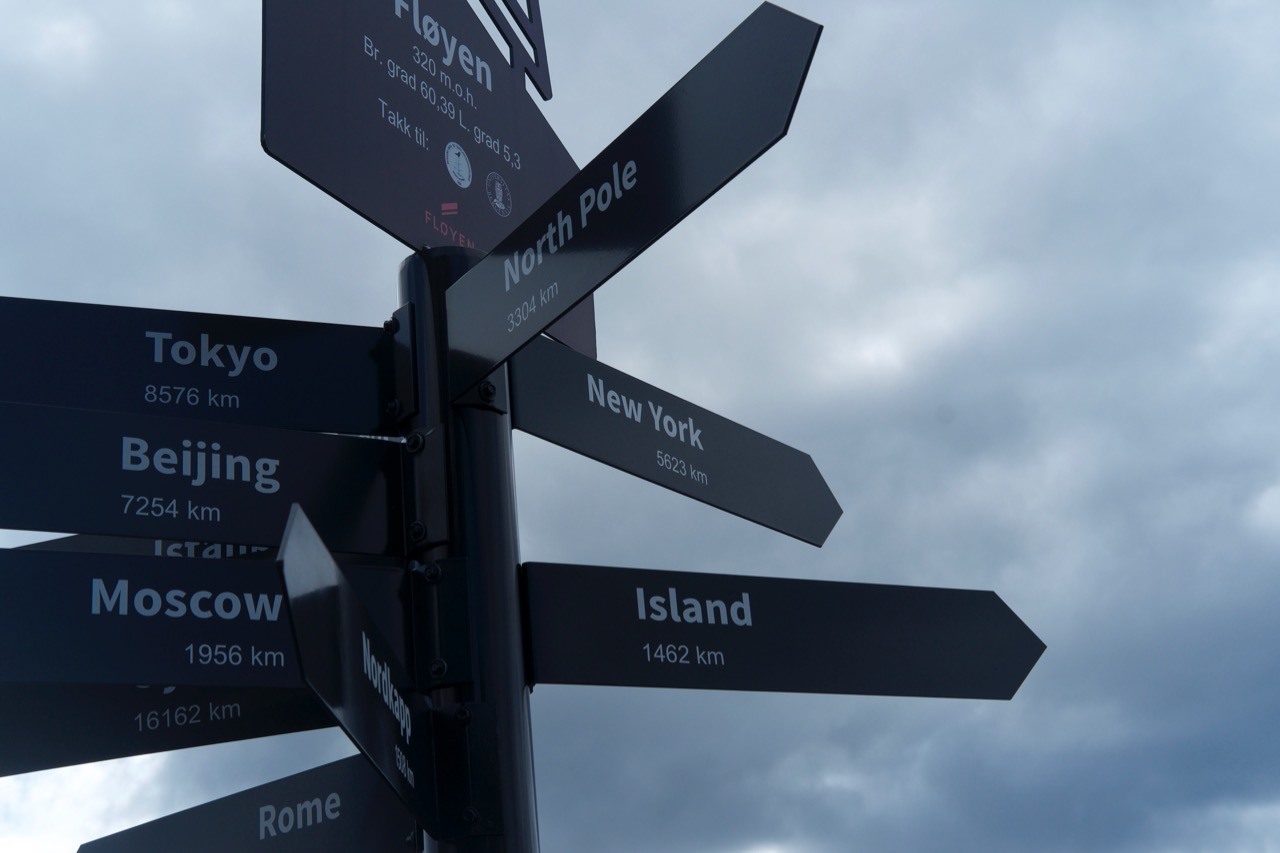
But do you imagine that if you become as prosperous as the United States you will no longer have needs? Here the needs are even greater. Full bellies have not brought peace and satisfaction but dementia, and in any case not all the bellies are full either. But the dementia is the same for all.
Thomas Merton, first draft of Day of a Stranger
Day of a Stranger was written in response to a request from a South American editor who asked Merton to describe a typical day. Some of it feels like stream-of-consciousness writing, but he pulls dementia into his thoughts on poverty and prosperity.
Dementia is indeed wealth blind.

My mother’s wealth, even in her dementia, was the constancy of my father. He visited my mother twice a day every day. I never saw any family visit I-Can-Do-It Mary.
A monk is a man who seeks God because he has been found by God.
Thomas Merton, The Silent Life
A monk is a man who has given up everything in order to possess everything.
Thomas Merton, The Waters of Siloe

Obviously I’m not a monk. I would restate Merton’s quotes into a statement and a prayer:
I seek God because I have been found by God.
Lord, help me to give up my everything so that I may possess Your everything.
Labor is itself worship in a world which is sacramentalized by the presence of a creating and redeeming God.
Thomas Merton, Bread in the Wilderness

God is not fully known when He is only “known” by the understanding.
He is best known by us when He takes possession of our whole being and unites us to Himself.
Thomas Merton, Bread in the Wilderness
It is the “great mystery of Godliness” which occupies him (Saint Bernard) before all else.
What is that mystery?
Not an idea, not a doctrine, but a Person: God Himself, revealed in the Man, Christ.
How is this doctrine understood?
When the Person is known.
How is He known?
When loved.
How loved?
When He lives in us and is Himself our love for His Father.
Loving the Father in us, He makes us one with the Father as He Himself is.
Thomas Merton, Last of the Fathers

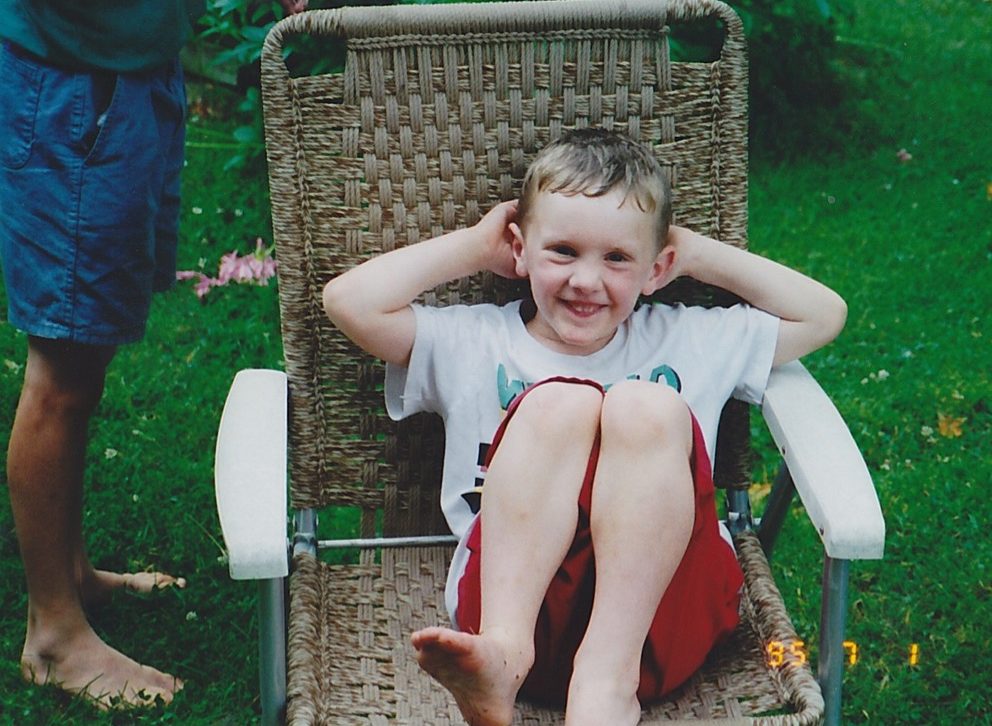
Going barefoot is a joyous thing.
Thomas Merton, Seasons of Celebration
To give the quote context, here’s the whole paragraph from a chapter called Ash Wednesday:
In some monastic communities, monks go up to receive the ashes barefoot. Going barefoot is a joyous thing. It is good to feel the floor or the earth under your feet. It is good when the whole church is silent, filled with the hush of men walking without shoes. One wonders why we wear such things as shoes anyway. Prayer is so much more meaningful without them. It would be good to take them off in church all the time. But perhaps this might appear quixotic to those who have forgotten such very elementary satisfaction. Someone might catch cold at the mere thought of it — so let’s return to liturgy.

The victory of humility is the acceptance of our own incompleteness,
in order that He may make us complete in His own way.
Thomas Merton, The Silent Life

Hurry ruins saints as well as artists.
Thomas Merton, New Seeds of Contemplation


 Hot Dogs and Marmalade