Grief · Life

Mr. Hanson

Image from ALLOTSEGO.com from Veteran’s day 2016 — Mr. Hanson on the right

I don’t think he was there the first time we visited the Methodist Church a few  years ago, but he was the second or third time we went back.

“Sally,” he said to me in his strong deep voice. I was flattered that he remembered me. It had been 40-some years since I sat in his 7th grade math class.

“Hi, Mr. Hanson,” I replied.

“You can call me Dick, you know,” he said, smiling. “You’re an adult now.”

“I don’t think I can,” I said to him.

Teachers, especially good ones, have a special status. When I hear kids today calling teachers by their first name, or, worse, just their last name, I cringe a little inside.

Sunday after Sunday he would engulf my hand in his while he greeted me. If I called him Mr. Hanson, he would give me a look and then say, “Dick, please,” so I took to calling him nothing.

“Good morning!” “Good to see you today!” “Merry Christmas!” I avoided the naming, and he allowed me to, until one Sunday, he said, “C’mon. You can say it.” He held my hand and waited.

I took a deep breath, and said, “Dick?” in the smallest of voices, and quickly followed it with “I don’t think I can.”

He looked at me a long time, then let go of my hand. “Okay,” he said, and he smiled at me but never mentioned the name thing again.

Mr. Hanson was one of those larger than life teachers. A former marine. Physically a big guy. A booming voice. A great smile.

I said something to another woman at church who had had him as a teacher. “I just can’t call him anything but Mr. Hanson,” I told her.

“I know,” she said, ” but let me tell you something about him. Do you remember when I was in the hospital?”

I did. When we were in school, she had been in a tobogganing accident that resulted in a broken neck, broken jaw, and months in the hospital. I spent many afternoons sitting in her room with her. Her jaw was wired shut. A device that resembled tongs attached to her skull and held her neck in traction via weights that hung down over the end of the bed.

“My mother was taking a mandatory First Aid class for teachers on Monday nights,” she said, “and she must have mentioned something about it to Mr. Hanson because he started showing up in my hospital room on Monday nights to visit. He never said anything to her about it, and it took me a long time to figure it out, but on the one night she couldn’t be with me, he came by.”

I wondered how many other Mr. Hanson stories are out there.

Therein is greatness.

Not doing big things that draw attention and bring accolades, but in doing the small things, unnoticed and unseen, but not unimportant.

Mr. Hanson died last week.

I’m sorry (not sorry) that I could never bring myself to call him Dick. I’ll miss his strong handshake, resonant voice, and warm smile. I’ll miss his presence.

Rest in peace, sir.

Faith · Grief

Lessons from Tuga

“I suppose I should take a picture of you,” I said to Tuga, pulling him out of my pocket yesterday while I walked around town.

He said nothing, which felt almost like a dare. I dare you to take pictures of a plastic rabbit. Won’t you look foolish!

Ah, but I knew better. I was on the last leg of my walk, going down the path. Nobody walks on the path, especially after it rains because of the mud and it had just rained. I doubted anyone would see me photographing my plastic bunny.

I set him in a dry patch of grass.
img_1299

He laid his ears back and didn’t look happy.

Oh, wait, his ears are always back.

He’s not supposed to be happy.

“Tuga,” I said, “you’re supposed to teach me something this Lent.”

I was hoping for a little more cooperation.

“How about you look out at the river?” I said, moving him a little and stepping back. I was thinking of the scene from Watershed Down where the rabbits must escape across the river.

But the blue sky with its big puffy clouds reflected so beautifully in the water that I took another step back to include it. Tuga, my little sorrowing bunny, all but got lost in the shot.

img_1300

It struck me — isn’t that the way it is with sorrow? In the bigness and busy-ness of life, the sorrowing one can get lost.

I picked him up and tucked him in pocket, knowing I would have to ponder that a little more.

When I reached the stone bridge, I set Tuga on a parapet.img_1301

He looked rather lost in there, too. So small.

That’s when I saw the man on the stone bridge talking on his cell phone. We briefly made eye contact before I grabbed Tuga and stuffed him in my pocket again, hurrying on down the path.

Once again, I was struck by the picture of sorrow. How often do sorrowing people stuff their emotions away because they’re embarrassed or self-conscious?

If nothing else, Tuga is teaching me an awareness for the sorrowful. In my own busyness, I may pass them by, or, in their self-consciousness, they may hide their feelings.

Lord, make me more aware!


family · Grief · photography

Shadow and Light

I rotated the ivy the other day.  It was reaching for the window and had turned all its leaves to the sun.

Sometimes I think we’re like plants — craving light, seeking light, pursuing light.

The shadows are okay, though. I’m learning to lean in.

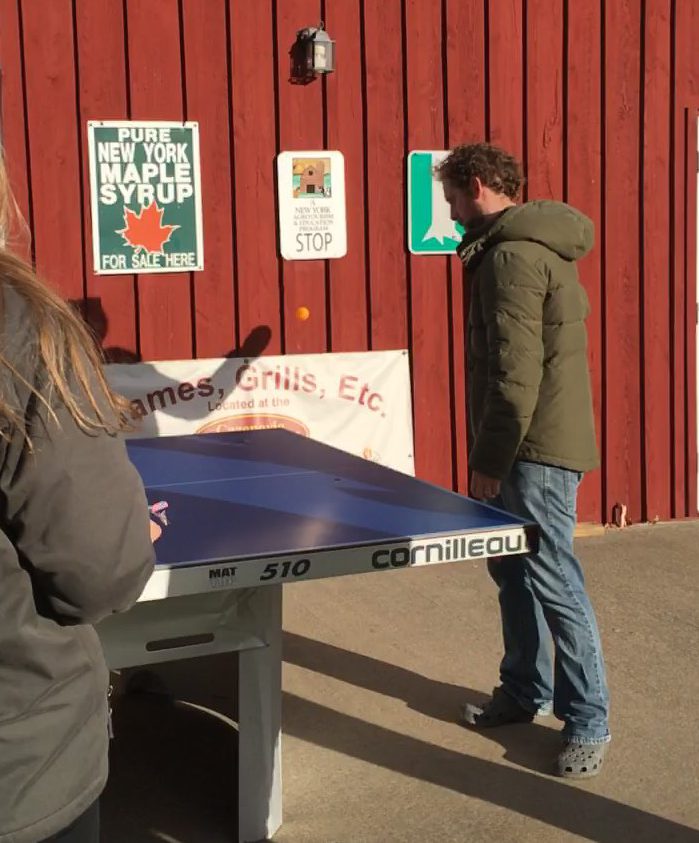
I looked through old pictures for shadow shots. This one caught my eye. The shadow tells us something the shot otherwise wouldn’t reveal.

frame-09-02-2017-08-26-09

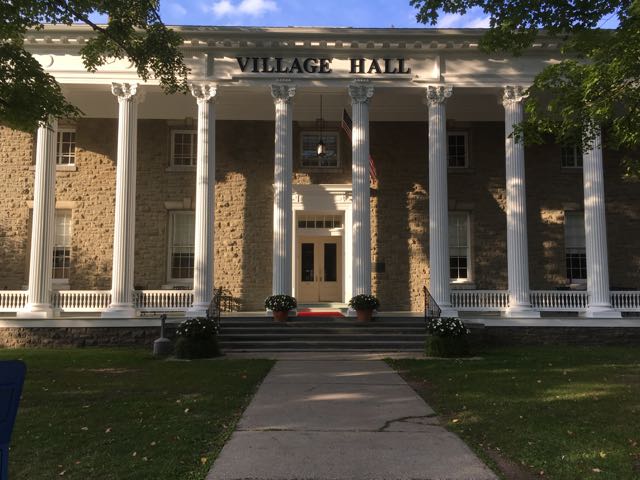
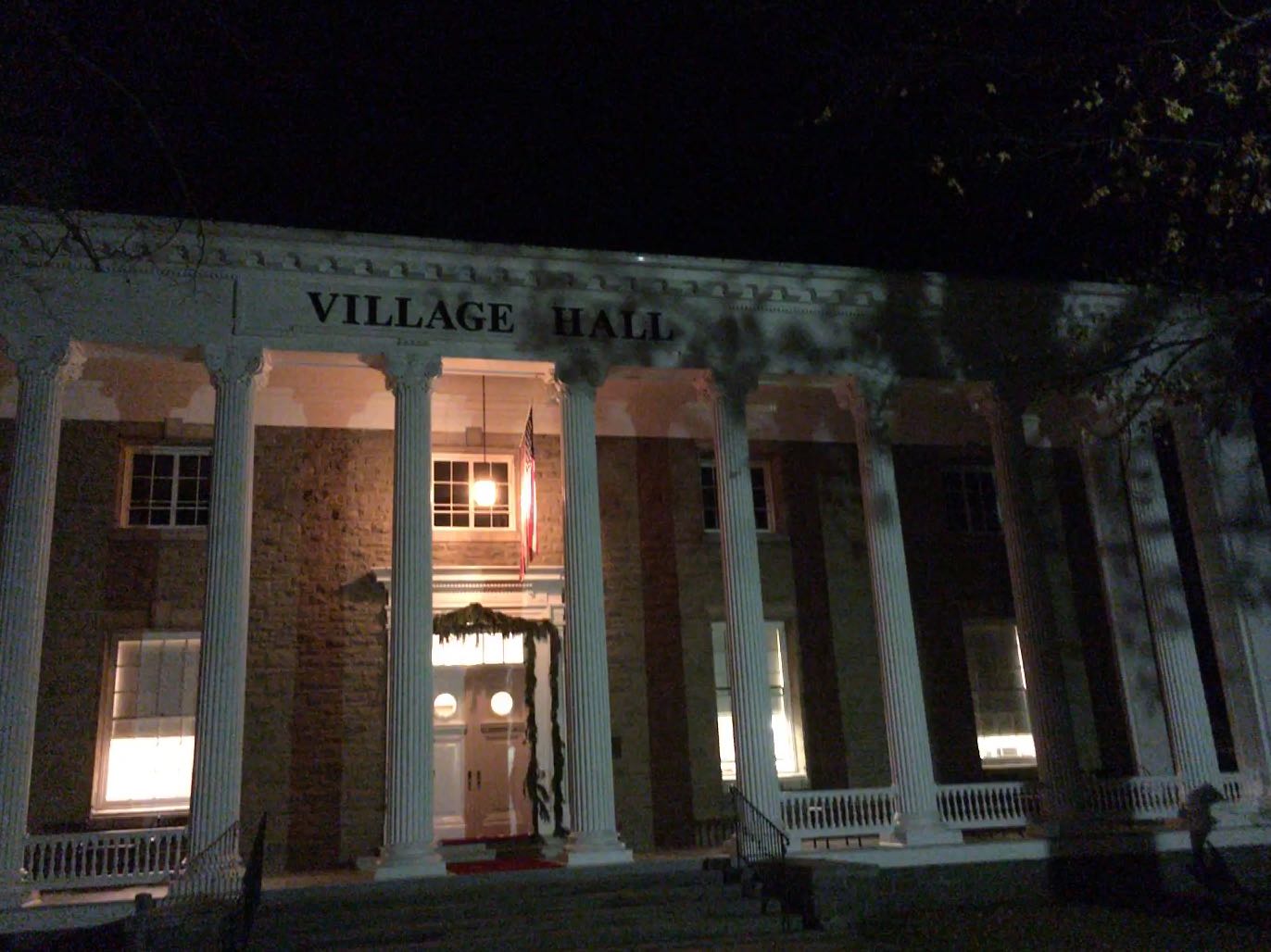
These simply accentuate the beauty of the building, especially its columns.

Summer day
Summer day
village-hall
Winter evening

I liked the shadows from the old bridge.

img_0394

And the long leg shadows in a late afternoon sun.img_0736

I was happily looking through lots of old pictures.  Then, I stopped.

In the pictures below, you won’t see the shadows, but I do.

On New Year’s Eve 2004, we played a family game of Scattergories. My brother, Stewart, was there. I could hear his voice, his laugh. He always loved games.

Stewart
Stewart

I felt a lump in my throat looking at Stewart’s picture. We’ll never play games with him again.

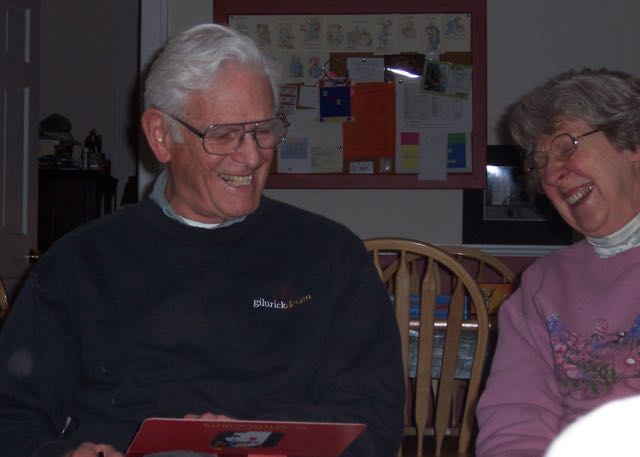
Then I saw this — my mother and father consulting on Scattergories.100_1930

They made a good team.grammie-laughing

And had a lot of fun.

That lump in my throat grew.

I miss those days.

But they’re just a shadow now.

Like my ivy, it’s time to turn back to the light.

family · Grief

Howard Talbot

My first job was at the National Baseball Hall of Fame and Museum in Cooperstown. Ticket and souvenir sales were rolled into one department. One lucky girl, often my sister, got to sit in the private ticket booth and read books when she wasn’t busy.  The rest of us worked the ticket window and the souvenir counter.

Howard Talbot hired me.

“Well, hello, young lady,” he said whenever he greeted me, a big smile on his face. He was a genuinely happy man who intimidated me only because he was my boss.

I saw him a couple of weeks ago and he still greeted me the same way.

“Well, hello, young lady,” he said, and smiled that same smile. He was stooped over a walker and I have some gray hair now, but I was transported to the old BBHofF, before they added on and made it big and fancy.

His office was right around the corner from the souvenir shop so we saw him often.

That same summer that I worked for him for the first time, I also had a part-time job working for a researcher at Bassett Hospital. Dr. Ashford was looking at temperature changes in patients in the days before their death. My job was to pull charts of patients who had died in the hospital and retrieve the data about their temperature from the vitals recorded by the nurses.

Between my work at the Hall of Fame and my work at the hospital, I kept busy which was always a good thing for me. By the end of the summer, though, I was tired of working. Both jobs could continue into the school year, although both employers acknowledged that my hours would be less.

The introvert in me loved the aloneness of the research job, so I decided that I needed to tell Mr. Talbot that I wouldn’t be available to work at the Hall of Fame during the winter. The next time I worked, I asked him if I could talk with him for few minutes.

I had mentally rehearsed everything I wanted to say to him. Still, I fidgeted nervously in the chair opposite his desk after he called me into his office.

“Well, young lady,” he said with a smile, “what can I do for you?”

“I’ve really enjoyed working at the Hall of Fame this summer,” I told him.

He nodded at me encouragingly.

“And you know I’ve also been doing some work for Dr. Ashford,” I said. Dr. Ashford lived just around the corner from the Talbots.

He nodded again.

“So the summer has been ludicrous,” I said.

He stopped nodding. He looked at me. I thought that maybe he didn’t understand the big word I had used.

“You know, I made a lot of money,” I explained.

A smile played at the corners of his mouth. It’s a wonder he didn’t burst out laughing.

“I think you mean lucrative,” he said quite seriously, though his eyes twinkled as he watched me.

I’m sure I blushed. I can still feel the redness in my face. I forgot the rest of my speech, and, as a result, ended up working at the Hall of Fame for the next two years.

It really was a fun job.

Howard Talbot passed away a few days ago. Yesterday I went to his calling hours. I told his wife and his children how much I loved the way he always greeted me and called me “young lady,” whether I was 15 or 55.

I couldn’t bring myself to tell them this story. It still makes me blush. And laugh.

But today it might make me cry.

Good-bye, Mr. Talbot. Thanks for the job and the memories. I’m glad I knew you.